
Have you ever watched a young child carefully water a plant with complete concentration? They move slowly, pour just enough water, wipe away any spills, and proudly place the watering can back in its spot. To an adult, it may seem like a simple daily task. In a Montessori classroom, however, this small act is a meaningful learning experience filled with opportunities for growth.
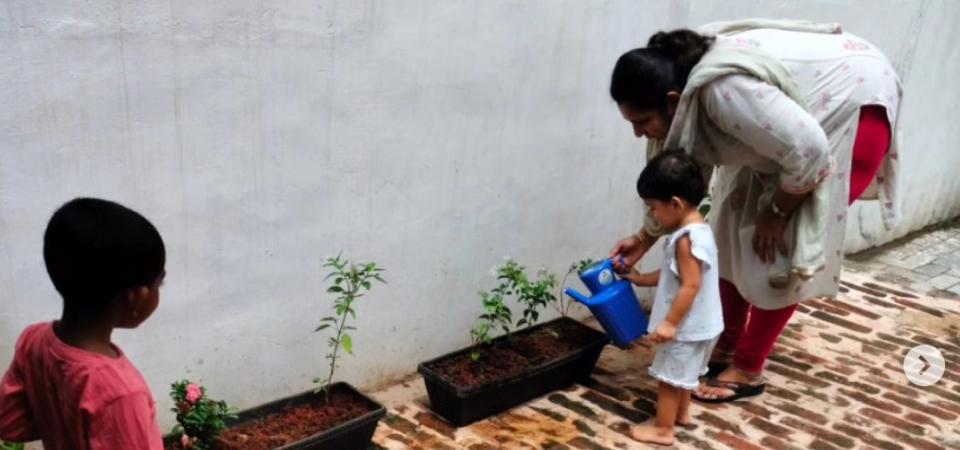
At Brixton House Montessori, everyday activities are thoughtfully designed to help children develop independence, confidence, and a lifelong love for learning. Watering plants is one such activity that beautifully combines practical life skills with scientific discovery, environmental awareness, and emotional development.
Let’s explore why this simple routine plays such an important role in a Montessori education.
Why Do Montessori Classrooms Have So Many Plants?
Plants are more than classroom decorations. They are living companions that help children build a genuine connection with nature.
Maria Montessori believed that children thrive when they are surrounded by beauty, order, and opportunities to care for the world around them. A classroom filled with healthy plants creates a calm, inviting environment while encouraging children to observe, explore, and take responsibility.
When children help care for plants, they begin to understand that every living thing has needs and that their actions can make a positive difference.
Watering Plants Is a Practical Life Activity
Practical Life activities are one of the foundations of Montessori education. These everyday tasks help children become capable, independent individuals.
When watering plants, children learn to:
- Carry and balance a watering can
- Pour with control
- Judge how much water a plant needs
- Clean up spills independently
- Return materials to their proper place
- Complete a task from beginning to end
Although these actions may seem simple, they strengthen concentration, coordination, sequencing, and self-confidence.
Each successful experience tells the child:
“I can do this by myself.”
That feeling of capability is one of the greatest gifts Montessori education offers.
The Science Behind Watering Plants
Watering plants naturally introduces children to scientific thinking through real-life observation and exploration.
Understanding What Plants Need to Live
Children begin to discover that plants, like people, have basic needs:
- Water
- Sunlight
- Air
- Healthy soil
- Time to grow
Rather than memorising facts, children learn through firsthand experience.
They notice questions such as:
- Why are some leaves turning yellow?
- Why is one plant growing faster?
- What happens if we forget to water a plant?
- Why does a plant lean toward the window?
These everyday observations become the foundation of scientific inquiry.
Learning About Cause and Effect
One of the earliest scientific concepts children develop is understanding cause and effect. When a child waters a healthy plant regularly, they observe:
- New leaves appearing
- Flowers blooming
- Strong stems
- Healthy green colour
If a plant receives too little or too much water, children may notice:
- Drooping leaves
- Dry soil
- Yellowing leaves
- Slower growth
These visible changes help children understand that actions have consequences, an important lesson that extends beyond science.
Observation Builds Scientific Thinking
Science begins with careful observation. Montessori classrooms encourage children to slow down and notice details.
Children may observe:
- The colour of leaves
- New buds forming
- Soil becoming dry
- Tiny insects visiting plants
- Seasonal changes
- Roots emerging in transparent containers
Without even realising it, children are practising the same observation skills used by scientists.
Watering Plants Strengthens Fine Motor Skills
Holding a watering can requires careful control. Children develop:
- Hand strength
- Wrist stability
- Bilateral coordination
- Precision of movement
- Eye-hand coordination
These muscles later support writing, drawing, cutting with scissors, and many other classroom activities.
Building Responsibility Through Daily Care
Unlike toys, living plants require consistent care. Children quickly realise that someone must remember to water them regularly. In Montessori classrooms, children often take turns caring for classroom plants. They feel proud knowing that their work helps another living thing thrive.
This develops:
- Responsibility
- Reliability
- Accountability
- Empathy
- Respect for living things
Rather than completing chores because they are told to, children begin to understand the purpose behind caring for something.
Encouraging Patience in a Fast-Paced World
Modern life often provides instant results. Plants teach a different lesson.
Children learn that:
- Growth takes time.
- Every plant grows at its own pace.
- Daily care matters more than quick results.
Watching a tiny seed become a flourishing plant helps children appreciate perseverance and consistency.
These are valuable life skills that cannot be rushed.
Developing Environmental Awareness
When children regularly care for plants, they begin to understand that humans share responsibility for protecting the natural world.
They become curious about:
- Recycling water responsibly
- Composting
- Gardening
- Weather
- Seasons
- Wildlife
- Sustainable living
Research suggests that regular interaction with nature during early childhood helps foster environmental awareness and encourages positive attitudes toward conservation later in life.
Supporting Emotional Wellbeing
Studies have shown that spending time with plants and nature can help reduce stress while promoting calmness and emotional regulation.
Watering plants provides children with:
- A peaceful routine
- Quiet moments of concentration
- A sense of accomplishment
- Confidence through meaningful work
Many children naturally slow down while caring for plants, making it an excellent mindfulness activity without needing to call it one.
How Parents Can Encourage Plant Care at Home
You don’t need a large garden to enjoy the benefits of plant care.
Simple ideas include:
- Create a Child-Friendly Plant Corner
Choose easy-to-care-for indoor plants and place them within your child’s reach.
- Give Your Child Their Own Watering Can
A small watering can helps children pour independently without making watering difficult.
- Let Them Observe
Ask open-ended questions like:
- What do you notice today?
- Has anything changed?
- How does the soil feel?
- Do you see any new leaves?
These conversations encourage curiosity instead of simply providing answers.
Grow Something Together
Fast-growing plants such as:
- Beans
- Coriander
- Basil
- Mint
- Sunflowers
Allow children to observe change over time and celebrate each stage of growth.
The Montessori Difference
In many educational settings, watering plants might simply be considered a classroom chore. In Montessori, it becomes an opportunity to nurture the whole child.
Children are developing:
- Scientific thinking
- Independence
- Responsibility
- Coordination
- Concentration
- Respect for nature
- Confidence
- Patience
Most importantly, they discover that even small acts of care have meaningful outcomes. This understanding helps children become thoughtful learners and compassionate members of their community.