
Discover how Montessori education helps children become confident, independent, and lifelong learners. Learn the benefits for your child’s early years.
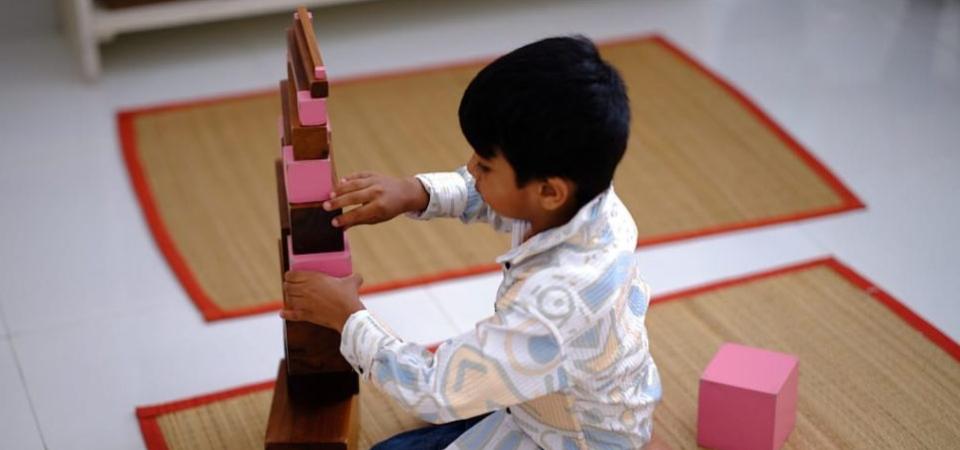
A bright Montessori classroom with children independently engaged in practical life, sensorial, and language activities while a teacher calmly observes and guides.
Why Choose Montessori? A Parent’s Guide to Understanding the Montessori Difference
As parents, one of the biggest decisions you’ll make is choosing the right learning environment for your child. You want a place where they feel safe, valued, and inspired to explore the world around them. With so many educational approaches available, it’s natural to wonder:
Why do so many families choose Montessori education?
The Montessori approach has been helping children thrive for more than a century. Developed by Dr. Maria Montessori, it is built on the belief that every child has a natural desire to learn when given the right environment, freedom, and guidance.
At Brixton House Montessori, we see this philosophy come to life every day as children develop confidence, curiosity, kindness, and a genuine love of learning.
Let’s explore why Montessori continues to be one of the world’s most respected approaches to early childhood education.
What Is Montessori Education?
Montessori education is a child-centred approach that respects each child’s unique pace of development. Rather than expecting every child to learn the same thing at the same time, Montessori classrooms encourage children to explore, discover, and master skills through hands-on experiences.
Teachers carefully prepare the learning environment, introduce materials, and observe each child to provide guidance when needed. This allows children to become active participants in their own learning rather than passive recipients of information.
1. Montessori Builds Independence
One of the most recognised benefits of Montessori education is the development of independence.
Children are encouraged to:
- Choose their own activities
- Care for themselves
- Organise their workspace
- Solve everyday problems
- Complete tasks independently
Simple activities such as pouring water, buttoning clothes, preparing snacks, or cleaning up after themselves help children develop confidence that extends far beyond the classroom.
When children discover, “I can do it myself,” they develop self-belief that supports lifelong learning.
2. Every Child Learns at Their Own Pace
No two children develop in exactly the same way. Some develop language quickly while others excel in movement, mathematics, or social skills. Montessori respects these natural differences by allowing children to progress according to their own readiness rather than following a fixed timetable.
This personalised approach helps reduce unnecessary pressure while allowing children to experience success more frequently.
3. Hands-On Learning Makes Concepts Meaningful
Young children learn best by doing. Instead of memorising facts, Montessori children use specially designed materials that allow them to touch, move, build, compare, sort, and experiment.
For example:
- Sandpaper letters introduce sounds through touch.
- Number rods help children understand quantity visually.
- Practical life activities strengthen coordination and concentration.
- Sensorial materials refine observation and critical thinking.
These concrete experiences create a strong foundation before children move to more abstract concepts.
4. Children Develop a Genuine Love of Learning
In many traditional settings, children work mainly for rewards, grades, or praise. Montessori encourages something even more valuable—**intrinsic motivation**. Children experience the satisfaction of solving problems, mastering new skills, and exploring subjects because they are genuinely interested.
This natural curiosity often stays with them throughout their education and beyond.
5. Mixed-Age Classrooms Encourage Collaboration
One unique feature of Montessori education is the mixed-age classroom. Typically, children learn alongside classmates who are a few years younger or older. This creates opportunities for children to:
- Learn by observing others
- Develop patience
- Practise leadership
- Build empathy
- Strengthen communication skills
Older children reinforce their own understanding by helping younger classmates, while younger children gain confidence by learning from positive role models.
6. Montessori Supports the Whole Child
Academic learning is only one part of child development. Montessori places equal importance on:
- Emotional wellbeing
- Physical development
- Social skills
- Creativity
- Problem-solving
- Independence
- Respect for others
Children learn how to work peacefully with others, express their feelings respectfully, and become responsible members of their community.
This balanced approach helps children grow into confident and compassionate individuals.
7. Freedom Within Limits Builds Responsibility
Montessori classrooms are often described as giving children freedom. However, this freedom comes with clear expectations. Children are free to choose meaningful work, but they also learn to:
- Respect others
- Care for classroom materials
- Finish what they begin
- Follow classroom routines
- Take responsibility for their choices
This balance between freedom and responsibility helps children develop self-discipline naturally.
8. Children Learn Practical Life Skills Every Day
Practical life activities are one of the foundations of Montessori education. These activities include:
- Sweeping
- Washing tables
- Watering plants
- Folding clothes
- Food preparation
- Dressing independently
While these tasks may seem simple, they strengthen concentration, fine motor skills, coordination, independence, and responsibility.
More importantly, children develop confidence by contributing meaningfully to their environment.
9. Montessori Encourages Respect
Respect is at the heart of Montessori education. Children are treated with kindness and dignity. Teachers model respectful communication and encourage children to:
- Listen carefully
- Wait their turn
- Resolve disagreements peacefully
- Care for their environment
- Appreciate differences
These everyday experiences help build emotional intelligence and strong social relationships.
10. Montessori Prepares Children for Life, Not Just School
The ultimate goal of Montessori education is not simply academic success. It is to help children become capable, curious, resilient, and compassionate individuals who can confidently navigate the world around them. Children leave Montessori with skills that extend far beyond reading and mathematics, including:
- Critical thinking
- Problem-solving
- Creativity
- Collaboration
- Confidence
- Adaptability
- Independence